The Ultimate Winter Road Trip Packing Guide: How to Stay Warm in Freezing Climates
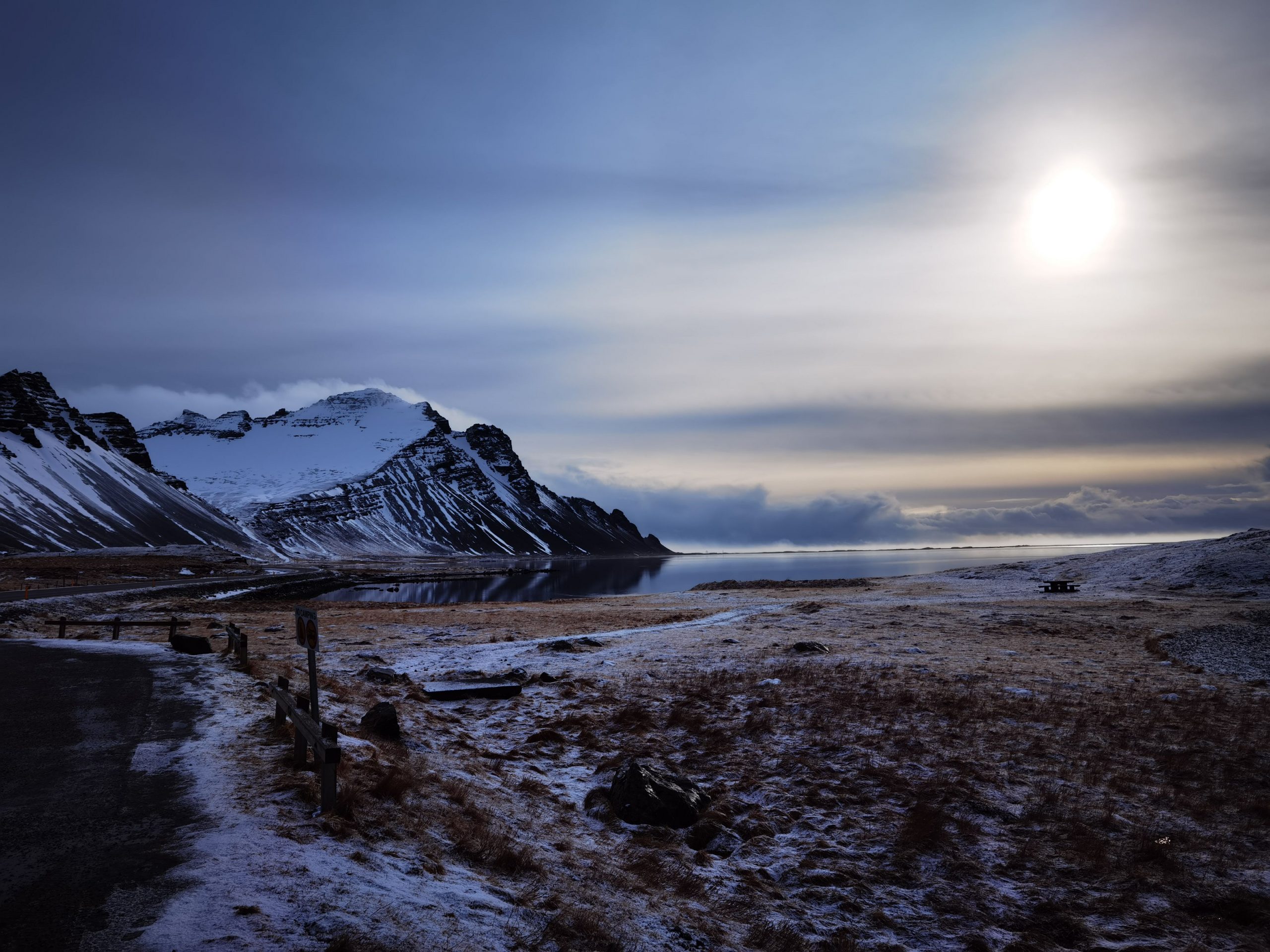
Embarking on a winter road trip—whether you are traversing the dramatic, snow-capped volcanic landscapes of Iceland or chasing the northern lights in Sweden—is an unforgettable adventure. However, freezing temperatures, biting winds, and unpredictable storms can quickly turn a dream trip into an uncomfortable or even hazardous ordeal if you are not properly prepared.
The secret to surviving and enjoying freezing climates lies in one word: layering. By selecting the right materials and wearing them in a structured system, you can regulate your body temperature, wick away sweat, and shield yourself from the elements. This guide breaks down the essential three-layer clothing system, footwear, accessories, and road-trip-specific gear that you must pack to stay warm and dry.
🧥 The Golden Rule: The Three-Layer System
To stay warm in freezing climates, do not just pack the heaviest coat you can find. A single heavy jacket can trap moisture and cause you to overheat, leaving you damp and freezing when you stop moving. Instead, rely on a modular, three-layer system:
1. The Base Layer (Moisture-Wicking Core)
Your base layer sits directly against your skin. Its primary job is to wick sweat away from your body so you do not catch a chill.
- What to pack: Merino wool or high-quality synthetic thermal underwear (tops and bottoms). Merino wool is naturally odor-resistant and incredibly warm.
- ❌ What to avoid: Cotton. Cotton traps moisture and holds it against your skin, which will make you feel colder instantly.
2. The Mid Layer (The Insulation)
The mid layer traps the heat radiating from your body. This is where your actual warmth comes from.
- What to pack: A lightweight down jacket, down vest, or heavy fleece jacket. Down has the highest warmth-to-weight ratio and compresses beautifully into a backpack.
- Pro Tip: Pack a secondary mid layer (like a thinner fleece) so you can stack them if temperatures drop below -10°C (14°F).
3. The Outer Layer (The Protective Shield)
Your outer layer acts as a barrier against wind, rain, and snow. Without a windproof outer layer, cold air will slice straight through your thermal layers.
- What to pack: A fully waterproof and windproof technical shell jacket (Gore-Tex or similar). Ensure it has a hood and adjustable cuffs.
- Sizing tip: Buy your outer shell one size larger than your usual fit so it comfortably fits over your base and mid layers.
🥾 Footwear: Keeping Your Feet Dry and Stable
Cold feet can ruin a travel day faster than anything else. When walking through thick snow or icy paths, your footwear is your lifeline.
- Waterproof Hiking Boots: Choose boots with a sturdy rubber sole (Vibram is excellent) and a waterproof membrane (like Gore-Tex). Ensure they have good ankle support.
- Merino Wool Socks: Pack several pairs of thick wool socks. Wool retains its insulating properties even when damp.
- Ice Crampons (Microspikes): If you are visiting icy areas like frozen waterfalls or glaciers in Iceland, pack slip-on rubber microspikes. They stretch over your normal boots and prevent you from slipping on sheet ice.
🧤 Essential Cold-Weather Accessories
Heat escapes rapidly from your extremities. Always pack these high-quality accessories in your daypack:
- Windproof Beanie/Hat: Make sure it covers your ears completely. Fleece-lined hats are ideal.
- Glove Liners & Heavy Gloves: Wear thin, touch-screen compatible glove liners underneath waterproof, windproof outer gloves. This allows you to take photos on your phone without exposing bare skin.
- Neck Gaiter or Buff: A fleece neck gaiter is far superior to a loose scarf. It wraps securely around your neck and can be pulled up to cover your face and nose in windy conditions.
🚗 Road-Trip-Specific Gear for Your Rental Car
When you are driving through remote areas, having these items in your car is essential for both comfort and safety:
- Insulated Thermal Flask: Fill it with hot tea, coffee, or broth in the morning. Taking a sip of hot liquid during a scenic stop is an instant morale booster.
- Chemical Hand and Toe Warmers: Pack a dozen single-use air-activated warmers. Slip them into your gloves or boots on extra-cold days.
- Headlamp: Winter days are short in high latitudes. A reliable, hands-free headlamp is vital if you find yourself wrapping up a hike after sunset.
🙋♂️ Winter Travel Packing FAQ
Q1: How many pairs of thermal underwear should I pack for a 2-week trip?
A: We recommend packing 3 to 4 sets of Merino wool thermals. Because Merino wool is naturally antibacterial and odor-resistant, you can easily wear each set for 3–4 days before needing to wash them.
Q2: Can I just wear normal sneakers if I wear thick wool socks?
A: No. Normal sneakers are made of breathable mesh that will let freezing wind and snow melt straight into your feet. Wet sneakers in sub-zero temperatures are extremely dangerous and can lead to frostbite.
Q3: How do I wash Merino wool thermals while on a road trip?
A: Wash them by hand in your hotel sink using a mild shampoo or wool-safe detergent. Press out the excess water in a dry towel (do not wring them hard) and hang them to dry. They will usually dry overnight!
